Research Article | | Peer-Reviewed

Role of Topical Vancomycin in Preventing Sternal Wound Infection Following Coronary Artery Bypass Grafting

Received: 10 November 2025     Accepted: 19 November 2025     Published: 17 December 2025
Views:       Downloads:
Abstract

Background: Sternal wound infection (SWI) remains a serious postoperative complication following coronary artery bypass grafting (CABG), contributing to increased morbidity, prolonged hospitalization and healthcare costs. The use of topical vancomycin powder has emerged as a potential strategy to reduce surgical site infections in cardiac surgery. This study aimed to evaluate the effectiveness of topical vancomycin in preventing SWI among Bangladeshi patients undergoing isolated CABG. Methods: This prospective comparative study was conducted at the Department of Cardiac Surgery, United Hospital Limited, Dhaka, Bangladesh, from January 2025 to June 2025. A total of 400 patients undergoing isolated CABG were enrolled and divided into two equal groups: the control group (n = 200) received standard antibiotic prophylaxis, while the other group received vancomycin group (n = 200). Postoperative outcomes, including incidence and microbiology of SWI, ICU stay, hospital stay and 30-day morbidity and mortality, were analyzed. Results: The overall incidence of SWI was significantly lower in the vancomycin group (3.0%) compared to the control group (9.0%, p = 0.01). Staphylococcus aureus (both methicillin-sensitive and MRSA) was the predominant pathogen. The vancomycin group showed significantly shorter ICU (3.2 ± 1.6 vs. 3.8 ± 2.1 days, p = 0.01) and hospital stays (9.8 ± 4.3 vs. 12.4 ± 6.5 days, p < 0.001), with lower morbidity rates. Conclusion: Topical vancomycin application effectively reduces the incidence of sternal wound infection and shortens postoperative recovery time without increasing adverse outcomes among Bangladeshi CABG patients.

Published in Cardiology and Cardiovascular Research (Volume 9, Issue 4)
DOI 10.11648/j.ccr.20250904.19
Page(s) 172-178
Creative Commons

This is an Open Access article, distributed under the terms of the Creative Commons Attribution 4.0 International License (http://creativecommons.org/licenses/by/4.0/), which permits unrestricted use, distribution and reproduction in any medium or format, provided the original work is properly cited.

Copyright

Copyright © The Author(s), 2025. Published by Science Publishing Group

Keywords

Coronary Artery Bypass Grafting, Sternal Wound Infection, Topical Vancomycin, Postoperative Outcomes

1. Introduction
Smallholder dairy farming is vital for enhancing food security, improving rural livelihoods, and contributing to economic development in many developing countries Tanzania included . This sector not only provides essential nutritional benefits through milk production but also serves as a significant source of income for rural communities . However, smallholder dairy farmers predominantly rely on natural pasture as their primary feed source for livestock; nonetheless, pasture productivity remains a persistent challenge . The above is often attributed to insufficient knowledge and skills in effective pasture management and forage conservation techniques . Moreover, the lack of awareness and expertise in these areas leads to low-quality fodder, seasonal feed shortages, and overall insufficiencies in milk production . Training programs have been developed to equip smallholder dairy farmers with best practices in pasture management and forage conservation, thereby improving productivity and promoting sustainability .
Farmers’ training is a key intervention when it comes to agricultural development, as it equips them with essential knowledge and skills to enhance their production efficiency . When it comes to pasture management, training plays a vital role in addressing crucial aspects such as pasture selection and establishment, rotational grazing, weed and pest control, soil fertility management, rest and recovery periods and appropriate conservation methods, for example, haymaking and silage preparation . Proper implementation of the above significantly improves pasture quality, ensures year-round availability of fodder, and reduces farmers’ dependency on external feed resources . Therefore, the importance of training to farmers on improved pasture management and conservation techniques for increased adoption rates .
Furthermore, training not only informs farmers but also empowers them with confidence to integrate innovative techniques into their farming systems . However, the degree to which smallholder dairy farmers adopt these best practices following training varies considerably. Several factors influence adoption, including socio-economic characteristics, farm size, access to resources, labor availability and existing traditional practices . Some farmers may quick integrate new techniques into their operations, while others may face constraints that hinder their ability to do so . Understanding these factors is essential in refining training programs and designing targeted interventions that maximize adoption and long-term impact.
In line with the above, the “Maziwa Faida Project” financed by the Irish Embassy in Tanzania and jointly managed by Tanzania Livestock Research Institute (TALIRI) and Livestock Training Agency (LITA) offered training to smallholder dairy farmers in Muheza District, Tanga region. The training was conducted by LITA-Buhuri campus and it centered on improved pasture production and management. Specifically, the training emphasized land preparation, pasture seed selection, sowing (planting), fertilization, irrigation, weeding, conservation, storage and animal feeding. However, there is a lack of empirical evidence regarding how the project-trained farmers have adopted the aforementioned technologies and innovations. In addition, little is known about how the training has resulted in improved pasture management and increased milk productivity (Liters/Cow/Day). Therefore, the study on which this paper is based aimed to determine the effectiveness of the training offered by LITA-Buhuri on smallholder dairy farmers' pasture management, compare the adoption of best practices between trained and untrained farmers, and identify key factors influencing (i.e., enabling and inhibiting) the adoption of improved pasture management and conservation practices.
Furthermore, the study is in line with Tanzania’s 2006 Livestock Policy, which, among other things, aims to increase and improve the production of pasture and pasture seeds for sustainable livestock production and productivity . The study is also aligned to the Sustainable Development Goals (SDGs), SDGs 1 (No Poverty), 2 (No Hunger), 6 (Decent Employment) and 11 (Climate Action) which among other things aim to improve people's well-being, including those of Smallholder dairy farmers . Lastly, the study findings could be used by policymakers and other stakeholders interested in raising smallholder dairy farmers' pasture productivity for increased milk productivity, household food security, and income. Generally, the study was guided by the following research questions: What are the best pasture management and forage conservation practices adopted by both trained and untrained smallholder dairy farmers? What barriers or challenges do smallholder dairy farmers face in adopting improved pasture management and forage conservation practices? By addressing the above questions, the study offers valuable insights into the effectiveness of training initiatives on smallholder farmers’ improved pasture management and conservation for increased milk productivity; at the same time, it highlights gaps that need further interventions . Moreover, the study’s examination of how training influences smallholder dairy farmers’ pasture management and conservation bridges the knowledge gap mentioned earlier. Furthermore, it is envisaged that well-informed and trained smallholder dairy farmers will be able to increase their contribution to the growth of Tanzania’s dairy industry and its role in national development .
1.1. Conceptualization of Key Concepts
Farmer training: Is a planned process of teaching farmers specific skills that help improve their ability to carry out farming activities and increase farm output in a competent and efficient manner .
Trained and untrained farmers: Farmers classified as trained have received specific instruction on dairy farming from the Maziwa Faida project or a training Institute (such as LITA-Buhuri), whereas farmers classified as untrained have not received any training on dairy farming .
Innovation: Innovation is the act of developing and utilizing fresh concepts, techniques, goods, or services that result in notable progress .
Pasture: Pasture refers to a piece of land that is covered with grass, herbaceous legumes, forbs, shrubs, and trees and is utilized for feeding livestock or for environmental conservation .
Forage: Forage refers to any aboveground plant material used for feeding livestock, excluding concentrates and industrial by-products .
Smallholder dairy farmer: A farmer with a small flock size (10 dairy cows), and family-based labor producing commercial milk .
1.2. Empirical Review
The implementation of pasture management innovations and forage conservation methods by smallholder dairy farmers has been extensively researched, with multiple factors affecting adoption and productivity results. Research indicates that various socio-economic and demographic factors, including age, gender, education levels, farming experience, land ownership, and availability of extension services, significantly influence farmers' willingness to adopt new technologies . In addition, their training status has also become a crucial factor influencing the uptake and effectiveness of agricultural innovations .
A study Ndah examined the impact of training on pasture management. The results showed that trained farmers had significantly higher adoption rates of improved pasture species and conservation techniques compared to their untrained counterparts. Similarly, research conducted Singh highlighted that armers with higher education levels, income and more experience in dairy farming were more likely to adopt pasture management innovations. Additionally, farm size and access to extension services were found to be significant predictors of technology adoption .
The evaluation of pasture productivity between trained and untrained farmers has produced consistent findings, showing that trained farmers frequently report higher fodder yields and enhanced milk production . This improvement is attributed to better forage management practices, timely harvesting, and conservation techniques. For example, the study Balehgn showed that properly implemented silage-making and hay-baling techniques improved forage availability during the dry season, thus ensuring continuous dairy productivity. In Tanzania, studies on the adoption of pasture innovations have identified several barriers. These include a lack of capital, inadequate extension services, and limited access to quality seeds for improved pastures . Additionally, cultural perceptions and traditional knowledge systems play a significant role in farmers' willingness to adopt new practices . Overall, literature underscores the importance of training and socio-economic factors in the adoption of pasture innovations by smallholder dairy farmers. These insights were key in analyzing findings from Muheza District after the “Maziwa Faida Project”, which aimed to enhance milk productivity through better pasture management and conservation. This also allows for comparisons with broader regional and global trends in pasture.
1.3. Theoretical Framework
The study was guided by the Rogers’ Diffusion of Innovation Theory (DIT) (1962) which explains how new agricultural technologies and practices are adopted by farmers. According to the DIT, innovation adoption follows a five-stage process: knowledge, persuasion, decision, implementation, and affirmation . In addition, the theory categorizes adopters into five groups: innovators, early adopters, early majority, late majority, and laggards . The DIT also highlights several factors that influence the adoption of innovations; these include perceived advantages, compatibility with existing practices, complexity, trialability, and observability . As pointed out earlier, the “Maziwa Faida Project” in partnership with LITA – Buhuri offered training to smallholder farmers on improved pasture management and conservation practices to enhance pasture and milk productivity. Therefore, the use of the DIT in examining the farmers’ adoption of the above-mentioned was deemed appropriate. Generally, trained farmers were expected to fall within the early adopters and early majority categories, as they have been exposed to new technologies and skills through formal training. In contrast, untrained farmers may exhibit characteristics of the late majority or laggards due to a lack of direct exposure to innovations and their reliance on traditional methods. Furthermore, in the context of pasture management, perceived benefits such as increased forage availability and improved milk production can encourage adoption. However, barriers such as high costs and limited access to quality seeds may hinder widespread adoption . By applying Rogers’ framework, the study analyzed pasture management and conservation patterns among smallholder dairy farmers in Muheza district and evaluated the impact of training and socio-economic factors on their adoption decisions.
1.4. Conceptual Framework
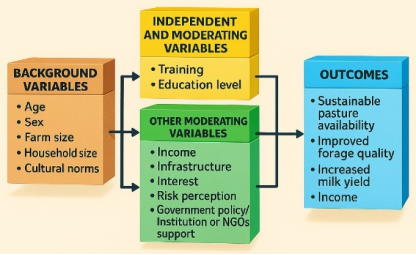
The framework (Figure 1), shows how factors like training, age, education, household size, and milk income affect the adoption of better pasture management practices. Training and institutional support boost farmers’ knowledge and confidence, leading to higher adoption rates, especially among younger, more educated farmers with higher milk income and smaller land. Institutional supports also help by providing technical assistance and motivation.
Figure 1. Conceptual framework for the effectiveness of training on smallholder dairy farmers’ improved pasture management.
2. Materials and Methods
2.1. Description of the Study Area
Muheza district in Tanga, Tanzania, covers 1,498 km2, bordered by Tanga city, the Indian Ocean, and neighboring districts. Located between latitudes 5o10’0.01’’S and 5o10’54’’, and longitudes 38o46’59.99’’E and 38o4’18’’E, it has an altitude of 195 to 1050 meters. The climate is tropical wet and dry, with temperatures ranging from 22.7oC in July to 31.53oC in February. Precipitation peaks in April (238.46 mm), with the dry season from July to October. The area’s soils are Ferrasols and Acrisols supporting forage species like Cynodon species, Urochloa brizantha, Pennisetum species, Tripsacum laxum and Luceana leucocephala . Economically, Muheza relies on agriculture, growing food crops (banana, maize, cassava) and cash crops (citrus, cloves, tea). Livestock farming includes cattle, goats, and poultry, with about 3,000 smallholder dairy farmers working across eight wards (Amani, Ngomeni, Mkuzi, Pande Darajani, Misarai, Kilulu, Genge and Mbomole)..
2.2. Research Design
The study used a cross-sectional design for its efficiency to provide a current snapshot, allowing for analysis of variables relationship .
2.3. Study Population, Sampling Technique and Sample Size
The study involved 3,000 smallholder dairy farmers from eight wards in Muheza who were identified by district extension services, selected through stratified random sampling. The sample size was calculated using Nassiuma’s (2000) formula: n=NC2÷C2 +(N-1) e2. Whereas n= sample size, N= population size, C= coefficient of variation ≤21-30% and e = margin error fixed between 2-5% as it has been applied by Cholo to determine the sample size. Therefore, n= 3000* 0.32÷0.32+ (3000-1) 0.022, whereby a total of 210 (105 trained farmers and 105 untrained farmers) were involved in the study.
2.4. Data Collection
The primary data were collected from 210 smallholder dairy farmers using a structured questionnaire containing both closed and open-ended questions. Additionally, qualitative data were obtained from 20 key informants (extension officers and LITA-Buhuri tutors) through a guided checklist. The study focused on the adoption of best practices in pasture management, such as rotational grazing, weed and pest control, soil fertility management, forage diversity, stocking rate, water management, rest and recovery periods, nutrient cycling, monitoring and recording . Forage conservation techniques assessed were timely harvesting, proper drying techniques, ensiling, baling, additive use, proper storage, wrapping, regular monitoring, utilization of crop residuals, integrated pest management (IPM), baling (storing pasture bales), and minimum handling .
2.5. Data Analysis
To identify adopted best practices, as well as determine factors influencing the adoption of innovations, a comprehensive methodology was employed. Data collected through structured questionnaires were analyzed using descriptive statistics, Chi-square tests, and Multivariate Probit (MVP) regression modeling. Firstly, descriptive statistics (frequencies, percentages, means and standard deviations) were calculated to summarize socio-economic, demographic, farm-specific and institutional characteristics related to respondents’ adoption of pasture management and forage conservation practices. Secondly, Chi-square tests were performed to identify associations between categorical variables such as training received and adoption of specific practices. The Chi-square statistic was calculated as:
χ2=Oij-Eij2Eij
Where Oij represents the observed frequency and Eij is the expected frequency.
Also, a Multivariate Probit (MVP) regression model was used to identify the factors influencing the adoption of the improved pasture management and conservation practices. This model analyzes multiple binary outcomes and accounts for correlations in error terms, reflecting smallholder dairy farmers’ simultaneous decision-making behavior .
The general form of the MVP model used is specified as follows:
Yij*=Xi'βj+ϵij,j=1,2,...,J
Where:
1) Yij* is a latent variable representing the propensity of farmer i to adopt practice j.
2) Yij (Observed adoption decision) equals 1 if Yij*  0 and 0 otherwise.
3) Xi' Represents a vector of explanatory variables including socioeconomic (age, sex, education level, household size), farm-specific characteristics (farm size, income, market access), institutional factors (training received, government support), and cultural and climatic variables.
4) βj Is a vector of coefficients associated with each explanatory variable for practicej?
5) ϵij Represents error terms assumed to follow a multivariate normal distribution with mean vector zero and covariance matrixΩ.
The probability that farmer i adopts practice j is given by:
PYij=1Xi=Pϵij>-Xi'βj
The MVP model was estimated using the simultaneous maximum likelihood method to handle the complexity of multivariate normal integrals. Marginal effects quantified the influence of each independent variable on adoption probability, highlighting key factors that influence the adoption.
The Multivariate Probit Model Specification
Let Yij* represent the unobserved latent utility associated with the adoption of practice j by farmer i, modeled as:
Yij*=Xi'βj+εij
Yij=1if Yij*>00otherwise
Where:
1) Yij is the observed binary indicator of adoption,
2) Xi is the vector of explanatory variables,
3) βj is the vector of coefficients for practice j,
4) εij Is the error term, jointly normally distributed across all practices.
The model was estimated using maximum simulated likelihood estimation in STATA 17, with robust standard errors. Model fit was assessed using Wald chi-square tests, Likelihood Ratio (LR) tests for inter-equation error correlation (ρ), and McFadden’s Pseudo R².
3. Results
3.1. Socio-demographic and Economic Characteristics of Respondents
Table 1 presents statistically significant socio-demographic differences between trained and untrained smallholder dairy farmers. A significant difference in sex was observed (2=6.241, p0.01), with a higher proportion of females among trained farmers (45.7%) than untrained ones (29.5%). Age distribution also varied significantly at 10% level (2=8.472, p=0.076), young farmers (18-35 years) were more commonly among the untrained, whereas mature farmers (36-60 years) predominated in the trained group. There was also no significant difference in household size (2=0.759, p=0.859) or education level (2=2.783, p=0.427). However, trained farmers were more likely to have smaller farm sizes (<1ha) (2=24.832, P0.001), and pasture plots (only 2.9% had none, against 25.7% of untrained). Monthly income from milk was also significantly associated with training (2=14.627, p 0.01), with trained farmers more often earning over 800 000 TZS. Institutional support was also overwhelmingly higher among trained farmers (99%) compared to untrained (7.6%), a statistically significant difference (2=187.459, p0.001).
Table 1. Socio-demographic and economic characteristics of farmers (n=210).

Characteristic

Treatment

Pearson Chi-Square Tests

Untrained

Trained

Total

Chi-square

Df

Sig.

Freq

%

Freq

%

Freq

%

Sex

Female

31

29.5

48

45.7

79

37.6

6.241

1

0.012*

Male

74

70.5

57

54.3

131

62.4

Age category

18 – 35

18

17.1

10

9.5

28

13.3

8.472

4

0.076

36 -60

60

57.2

69

65.7

129

61.5

Above 60

27

25.7

26

24.8

53

25.2

Education level

No formal

2

1.9

0

0.0

2

1.0

2.783

3

0.427

Primary school

70

66.7

75

71.4

145

69.0

Secondary school

24

22.9

22

21.0

46

21.9

College/ University

9

8.6

8

7.6

17

8.1

Household size

1-3

24

22.9

29

27.6

53

25.2

0.759

3

0.859

4-6

68

64.8

64

61.0

132

62.9

7-9

12

11.4

11

10.5

23

11.0

≥10

1

1.0

1

1.0

2

1.0

Farm size (ha)

0 ha

27

25.7

3

2.9

30

14.3

24.832

4

0.000*

< 1ha

77

73.3

99

94.2

176

83.8

1-3 ha

1

1.0

2

1.9

3

1.4

3 ha

0

0.0

1

1.0

1

0.5

Average Income from Milk Sales TZS/=per month

Less than 350,000

70

66.7

47

44.8

117

55.7

14.627

3

0.002*

350,000-700,000

29

27.6

37

35.2

66

31.4

800,000-1,500,000

5

4.8

18

17.1

23

11.0

≥1,500,000

1

1.0

3

2.9

4

1.9

Govt./ NGOs/CBOs' support

No

97

92.4

1

1.0

98

46.7

187.459

1

0.000*

Yes

8

7.6

104

99.0

112

53.3

*The Chi-square statistic is significant at the .05 level. Govt. = Government
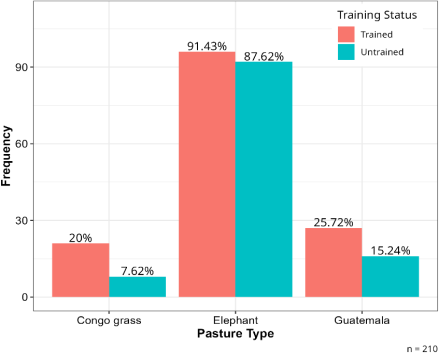
Figure 2. Pasture species usage across trained and untrained farmers (n=210).
3.2. Adoption of Improved Pasture Species
Figure 2 presents the adoption of improved pasture species between trained and untrained smallholder dairy farmers in Muheza District. Trained farmers adopted improved pasture species at significantly higher rates. Elephant grass (Pennisetum purpureum) was used by 91.43% of trained against 87.62 of untrained, Guatemala grass (Tripsacum laxum) by 25.72% against 15.24%, and Congo grass (Brachiaria ruziziensis) by 20% against 7.62%.
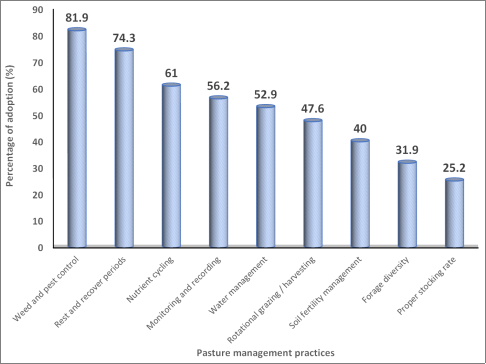
Figure 3. Farmer’s adoption of improved pasture management practices.
3.3. Adoption Rate of Pasture Management Practices
Figure 3 shows overall pasture management practices among smallholder dairy farmers, further illustrates the depth of knowledge and application among farmers. Weed and pest control emerged as the most adopted practice, reported by (81.9%), followed closely by rest and recovery periods (74.3%) and nutrient cycling (61%). Monitoring and recording (56.2%) and water management (52.9%). However, the relatively lower adoption rates of rotational grazing or harvesting (47.6%), soil fertility management (40%), forage diversity (31.9%), and proper stocking rate (25.2%).
3.4. Comparison of Pasture Management Practices Among Trained and Untrained Farmers
The comparison of pasture management practices between trained and untrained farmers shows that trained farmers have significantly higher rates than untrained farmers (Table 2). Rotational grazing or harvesting, was practised by 90% of trained farmers but only 10% of untrained ones, a stark contrast supported by a highly significant Chi-square value (p0.001). Similarly, practices like soil fertility management (79.76% against 20.24%), forage diversity (64.18% against 35.82%), water management (82.88% against 17.12%), rest and recovery periods (58.97% against 41.03%), and monitoring and recording (66.1% against 33.9%), with all differences statistically significant at the 0.05 level or lower (Table 4). Contrary to expectations, Table 2 shows some practices, such as weed and pest control (49.42% against 50.58%), nutrient cycling (51.56% against 48.44%), and proper stocking rate (39.62% against 60.38%), did not show significant differences between the two groups.
Table 2. Cross-tabulation of pasture management practices across treatment groups (n=210).

Variables

Treatment

Pearson Chi-Square Tests

Untrained

Trained

Total

Chi-square

df

Sig.

Freq

%

Freq

%

Freq

%

Rotational grazing / harvesting

No

95

86.36

15

13.64

110

52.38

127.97

1

0.000*

Yes

10

10.00

90

90.00

100

47.62

Weed and pest control

No

18

47.37

20

52.63

38

18.10

0.394

1

0.822

Yes

87

50.58

85

49.42

172

81.90

Soil fertility management

No

88

69.84

38

30.16

126

60.00

11.379

1

0.001*

Yes

17

20.24

67

79.76

84

40.00

Forage diversity

No

81

56.64

62

43.36

143

68.10

76.164

1

0.000*

Yes

24

35.82

43

64.18

67

31.90

Proper stocking rate

No

73

46.50

84

53.50

157

74.76

3.228

1

0.091

Yes

32

60.38

21

39.62

53

25.24

Water management

No

86

86.87

13

13.13

99

47.14

102.58

1

0.000*

Yes

19

17.12

92

82.88

111

52.86

Rest and recover periods

No

41

75.93

13

24.07

54

25.71

53.82

1

0.000*

Yes

64

41.03

92

58.97

156

74.29

Nutrient cycling

No

43

52.44

39

47.56

82

39.05

0.441

1

0.672

Yes

62

48.44

66

51.56

128

60.95

Monitoring and recording

No

65

70.65

27

29.35

92

43.81

28.573

1

0.000*

Yes

40

33.90

78

66.10

118

56.19

* The Chi-square statistic is significant at the .05 level.
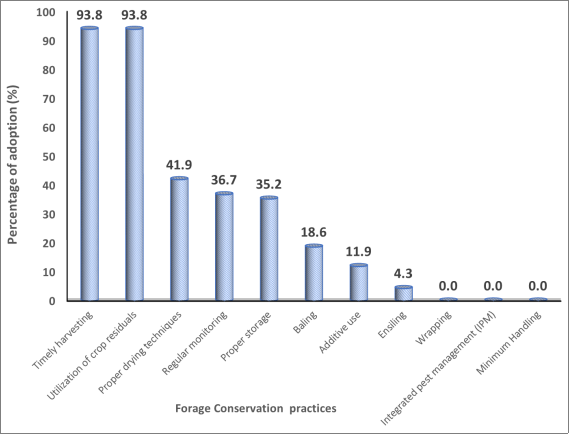
Figure 4. Proportion of farmers in the adoption of forage conservation practices.

3.5. Adoption Rate of Forage Conservation Techniques
Study findings (Figure 4) show overall adoption of forage conservation techniques among smallholder dairy farmers. Basic techniques like timely harvesting and use of crop residues had the highest adoption (93.8%), while advanced techniques such as proper drying (41.9%), monitoring and recording (36.7%) and storage (35.2%) were moderately adopted. Practices like baling (18.6%), additive use (11.9%), and ensiling (4.3%) were least adopted, while practices like wrapping, integrated pest management and minimum handling were not practiced by any farmers across all groups.
Table 3. Cross-tabulation of forage conservation practices across treatment groups (n=210).

Variables

Category

Training on forage conservation

Pearson Chi-Square Tests

Untrained

Trained

Total

Chi-square

df

Sig.

Freq

%

Freq

%

Freq

%

Timely harvesting

No

6

46.15

7

53.85

13

6.19

1.9

1.00

0.880

Yes

99

50.25

98

49.75

197

93.81

Proper drying techniques

No

99

81.15

23

18.85

122

58.10

13.9

1.00

0.001*

Yes

6

6.82

82

93.18

88

41.90

Ensiling

No

104

51.74

97

48.26

201

95.71

23.3

1.00

0.000*

Yes

1

11.11

8

88.89

9

4.29

Baling

No

101

59.06

70

40.94

171

81.43

31.5

1.00

0.000*

Yes

4

10.26

35

89.74

39

18.57

Additive use

No

102

55.14

83

44.86

185

88.10

32.0

1.00

0.000*

Yes

3

12.00

22

88.00

25

11.90

Proper storage

No

79

58.09

57

41.91

136

64.76

20.6

1.00

0.000*

Yes

26

35.14

48

64.86

74

35.24

Wrapping

No

105

50.00

105

50.00

210

100.00

NA

NA.

NA.

Regular monitoring

No

89

66.92

44

33.08

133

63.33

20.3

1.00

0.000*

Yes

16

20.78

61

79.22

77

36.67

Utilization of crop residuals

No

6

46.15

7

53.85

13

6.19

1.9

1.00

0.880

Yes

99

50.25

98

49.75

197

93.81

Integrated pest management (IPM)

No

105

50.00

105

50.00

210

100.00

NA

NA.

NA.

Minimum Handling

No

6

46.15

7

53.85

13

6.19

NA

NA.

NA.

* The Chi-square statistic is significant at the .05 level
3.6. Comparison of Forage Conservation Techniques Among Trained and Untrained Farmers
Table 3 confirms trained farmers had significantly higher adoption of advanced forage conservation methods than untrained counterparts. Drying (93.18% against 6.82%), monitoring and recording (79.22% against 20.78%), baling (89.74 against 10.26%), additive use (88.0% against 12.0%), and storage (64.86% against 35.14%). Furthermore, some of the most advanced techniques such as ensiling though still relatively low in overall uptake, were more frequently implemented by trained farmers (88.89%) compared to untrained (111.11%), a difference which is also statistically significant (p<0.01). On other hand, practices such as wrapping, integrated pest management (IPM) and minimum handling techniques had no reported usage among either group.
3.7. Factors Associated with Small Holder Dairy Farmers Adoption of Pasture Management Practices
Table 4 presents the (MVP results), highlighting factors influencing smallholder dairy farmers’ adoption of pasture management based on their socio-economic characteristics. Across the board, younger farmers (especially aged 18–35) are significantly more likely to adopt all practices compared to those aged 46–60. For instance, being in the 18–35 age group increases the probability of adopting rotational grazing (β = 0.73, p < 0.001), water management (β = 0.67, p < 0.01), and monitoring (β = 0.51, p < 0.001), reflecting higher openness among youth to modern pasture techniques. In terms of education, Table 4 shows that farmers with secondary and tertiary education demonstrate consistently higher adoption across all six practices. The coefficients are especially strong for college/university-educated farmers (e.g., β = 0.68, p<0.01 for rotational grazing) and (β = 0.61, p<0.01 for water management). Household size of 7–9 members slightly increase adoption (β = 0.32, p < 0.05 for rotational grazing). Small land size (< 1 ha) had a significantly higher likelihood of adopting all practices (e.g., β = 0.57 for rotational grazing, p < 0.001). Similarly, income above TZS 800,000 strongly predicts adoption (β = 0.61 for rotational grazing, p < 0.01), (β=0.53, p<0.01 for monitoring and recording). Lastly, government/NGOs support emerges as the strongest predictor across all practices (e.g., β = 0.88 for rotational grazing, p < 0.001) confirming the pivotal role of institutional engagement.
Table 4. Multivariate Probit Estimates for Pasture Management Practice Adoption.

Variable

Rotational Grazing

Water Management

Rest & Recovery

Soil Fertility Management

Forage Diversity

Monitoring & Recording

Age (Ref: Above 60)

18–35

0.73*** (0.24)

0.67** (0.23)

0.54** (0.21)

0.45** (0.19)

0.38* (0.18)

0.51*** (0.17)

36–60

0.56** (0.22)

0.52** (0.20)

0.42* (0.18)

0.34* (0.17)

0.28 (0.17)

0.42** (0.16)

Sex (1 = Male)

-0.13 (0.11)

-0.09 (0.09)

-0.07 (0.10)

-0.08 (0.09)

-0.06 (0.09)

-0.11 (0.09)

Education (Ref: No education)

Primary

0.23 (0.21)

0.27 (0.19)

0.21 (0.19)

0.25 (0.18)

0.22 (0.17)

0.20 (0.17)

Secondary

0.52** (0.21)

0.48** (0.19)

0.40** (0.18)

0.39* (0.18)

0.35* (0.17)

0.36** (0.16)

College/University

0.68*** (0.22)

0.61** (0.21)

0.51** (0.19)

0.48** (0.19)

0.43** (0.18)

0.46** (0.17)

Household Size (Ref: 1–3 members)

4–6 members

0.21 (0.14)

0.19 (0.13)

0.17 (0.12)

0.15 (0.13)

0.13 (0.12)

0.15 (0.13)

7–9 members

0.32* (0.15)

0.28* (0.14)

0.23 (0.14)

0.21 (0.13)

0.18 (0.13)

0.22 (0.12)

Farm Size (Ref: No pasture plot)

<1 ha

0.57*** (0.16)

0.53*** (0.15)

0.49*** (0.15)

0.46*** (0.15)

0.42** (0.15)

0.48*** (0.14)

1–3 ha

0.40* (0.17)

0.35* (0.16)

0.31 (0.15)

0.28 (0.15)

0.25 (0.14)

0.33* (0.14)

Milk Income (Ref: <350,000)

350K–700K

0.36* (0.15)

0.34* (0.15)

0.32 (0.14)

0.31 (0.14)

0.28 (0.13)

0.33* (0.13)

800K–1.5M

0.61** (0.18)

0.55** (0.17)

0.50* (0.17)

0.47* (0.17)

0.44* (0.16)

0.53** (0.15)

Gov't/NGO Support (Yes=1)

0.88*** (0.16)

0.83*** (0.15)

0.79*** (0.14)

0.77*** (0.14)

0.74*** (0.14)

0.81*** (0.14)

Note: *indicates statistical significance of the result specifically the p-values, Coefficients with robust SEs in parentheses, Likelihood Ratio (LR) test of ρ = 0: χ² (15) = 58.93, p < 0.001, Wald χ² (overall model significance): χ² (96) = 152.47, p < 0.001, McFadden's Pseudo R²: 0.342
3.8. Interdependence in the Adoption of Pasture Management Practices
Table 5 shows that adopting one pasture management practice significantly relates to adopting others, justifying a Multivariate approach. For example, the positive and significant ρ values between practices (e.g., water management and soil fertility, ρ = 0.41***) suggest strong interdependence. Also, the correlations occur between rotational grazing and soil fertility management and (ρ = 0.35***), Soil fertility and monitoring and forage diversity (ρ = 0.36**). Unobserved factors (like motivation, access, or awareness) simultaneously influence multiple adoption decisions. The significant LR test (χ² (15) = 52.76, p < 0.001) confirms that these practices are statistically interrelated rather than independently adopted.
Table 5. Estimated Error Correlation Matrix (ρ) – Pasture Management Practices.

Rotational Grazing

Water Management

Rest & Recovery

Soil Fertility

Forage Diversity

Monitoring & Recording

Rotational Grazing

1.000

0.38***

0.30**

0.35***

0.29**

0.25**

Water Management

1.000

0.33***

0.41***

0.26**

0.31**

Rest & Recovery Periods

1.000

0.27*

0.22

0.29**

Soil Fertility Management

1.000

0.36**

0.34**

Forage Diversity

1.000

0.32**

Monitoring & Recording

1.000

Note: Stars (*) indicate statistical significance: * for p<0.05, ** for p<0.01, and *** for p<0.001, reflecting evidence against the null hypothesis.
3.9. Factors Influencing Adoption of Forage Conservation
The MVP results in Table 6 show factors affecting smallholder dairy farmers’ adoption of forage conservation practices. Younger farmers, specifically those in the 18–35 age group, are significantly more likely to adopt practices such as proper drying (β = 0.69, p < 0.01), monitoring (β = 0.64, p < 0.01), and the use of additives (β = 0.43, p < 0.05). Additionally, education had a high and significant coefficient for all practices: β = 0.62, p<0.001 for drying and β = 0.51, p<0.01 for storage. Similarly, farmers with small land sizes (<1 ha) are more likely to adopt all practices (β ranges from 0.33 to 0.60, all significant). Table 6 further shows that institutional support is the strongest predictor (β = 0.92 for drying, p < 0.001). Larger households also had a minor positive effect.

Table 6. Multivariate Probit Estimates for Forage Conservation Practice Adoption.

Variables

Drying

Monitoring

Storage

Additive Use

Baling

Ensiling

(Coefficients with robust SEs in parentheses)

Age (Ref: Above 60)

18–35

0.69** (0.24)

0.64** (0.23)

0.53** (0.22)

0.43* (0.21)

0.39* (0.19)

0.25 (0.17)

35–60

0.54* (0.22)

0.48* (0.21)

0.40* (0.19)

0.32* (0.19)

0.26 (0.18)

0.21 (0.17)

Education (Ref: No education)

Secondary

0.48** (0.21)

0.43* (0.19)

0.38* (0.18)

0.34* (0.17)

0.31* (0.17)

0.25 (0.16)

College/University

0.62*** (0.22)

0.56** (0.21)

0.51** (0.19)

0.46** (0.19)

0.42* (0.18)

0.32* (0.17)

Household Size (Ref: 1–3 members)

7–9 members

0.29* (0.15)

0.26* (0.14)

0.22 (0.13)

0.20 (0.13)

0.16 (0.12)

0.12 (0.11)

Farm Size (Ref: No pasture plot)

<1 ha

0.60*** (0.16)

0.55*** (0.15)

0.53*** (0.15)

0.48** (0.15)

0.46** (0.14)

0.33* (0.14)

Gov't/NGO Support (Yes=1)

0.92*** (0.16)

0.87*** (0.15)

0.82*** (0.14)

0.76*** (0.14)

0.70*** (0.13)

0.50*** (0.13)

Note: *indicates statistical significance of the result specifically the p-values, Likelihood Ratio (LR) test ofρ = 0: χ² (15) = 54.27, p < 0.001, Wald χ² (overall model significance): χ² (92) = 143.89, p < 0.001, McFadden's Pseudo R²: 0.325
3.10. Interdependence in the Adoption of Forage Conservation Practices
The correlation matrix (Table 7) reveals co-adoption between drying and storage (ρ = 0.43***), monitoring and additive use (ρ = 0.38**), and baling and storage (ρ = 0.36**). The LR test (χ² (15) = 48.95, p < 0.01) confirms significant interdependence between the conservation practices, supporting the use of a multivariate analytical approach. McFadden’s R² of 0.298 shows a good explanatory fit for the adoption decisions.
Table 7. Estimated Error Correlation Matrix (ρ) – Forage Conservation Practices.

Drying

Monitoring

Storage

Additive Use

Baling

Ensiling

Proper Drying

1.000

0.41***

0.43***

0.35**

0.33**

0.24*

Monitoring

1.000

0.38**

0.38**

0.30*

0.28*

Proper Storage

1.000

0.36**

0.36**

0.29*

Additive Use

1.000

0.34**

0.31*

Baling

1.000

0.27*

Ensiling

1.000

Note: Stars (*) indicate statistical significance: * for p<0.05, ** for p<0.01, and *** for p<0.001, reflecting evidence against the null hypothesis
4. Discussion
The findings of this study provide compelling evidence that training significantly influences the adoption of improved pasture management and conservation practices among smallholder Dairy farmers in Muheza District, Tanzania. The higher participation of female farmers in training programs suggests successful gender inclusive targeting by implementing agencies. This aligns with findings Lukuyu , who reported that women are more likely to engage in forage interventions wen such efforts were supported by extension services. It may also imply that women are increasingly taking active roles in dairy production, and targeted training empowers them with relevant knowledge and skills. Age-wise, mature farmers were more represented among the trained group, while younger farmers were common among the untrained. This may indicate that older farmers are more stable and engaged in dairy farming as a livelihood and therefore more willing to attend training. However, multivariate probit result shows that young farmers (18-35 years) are more likely to adopt multiple improved practices. This suggests that although youth may be underrepresented in training programs, they tend to be more open to innovation and receptive to technical information once exposed, indicating the importance of tailoring training to attract younger demographics, as youth are generally adaptable to new technologies .
The observation that household size and education level had no significant influence on training participation suggests that programs were relative inclusive. Yet, education strongly influenced the adoption of both pasture management and forage conservation. Farmers with secondary and tertiary education were more likely to adopt practices such as rotational grazing, water management, and additive use in forage conservation. This support findings Twinamatsiko and Zemarku , who reported that higher educational attainment enhances the ability to absorb and apply technical innovations in dairy farming systems. The results also demonstrate that trained farmers typically had a smaller land size (< 1 ha), yet they adopt more improved practices. This could reflect the necessity among land-constrained farmers to maximize outputs through efficient pasture management. This observation aligns with findings that low-resource farmers are more likely to adopt cost-effective forage technologies when provided with training .
The statistically significant association between training and higher monthly income from milk sales underscores the economic benefits of technical training. Trained farmers’ higher earnings suggest improved productivity and efficiency, likely due to better pasture and forage utilization. This finding echoe observations that training significantly increased milk yield and annual income per animal by more than Rs 2,600, while institutional support was considerably higher among trained farmers (99% compared to 7.6% among untrained), underscoring its importance in capacity building and adoption of improved practices . External agencies, including NGOs, government and community-based organization, play pivotal role in farmer development. These results support the view that continuous institutional support through training, subsidies, and input provision is crucial for enhancing the adoption of modern dairy practices . Adoption of improved pasture species was also higher among trained farmers. Their use of Brachiaria ruziziensis, high-biomass and protein rich grass, reflects successful knowledge transfer and adaptation of improved forages. According Maina , Brachiaria spp grasses are well suited for tropical conditions and offer nutritional and environmental benefits. Similarly, higher usage of Pennisetum purpureum (Elephant grass) reflects its adaptability and productivity, as documented Balehgn . The results affirm the impact of training programs such as Maziwa Faida, which emphasized diversification and improved forage quality, consistent with insights Bang on the role of structured capacity building.
Adoption of improved pasture management was notably higher among trained farmers, particularly advanced techniques like rotational grazing, water management, monitoring, soil fertility improvement. These practices contribute to sustainable land use, increased pasture regeneration, and improved animal nutrition. The relatively low adoption of these practices among untrained farmers indicates a knowledge gap. In contrast, basic practices like weed control and nutrient cycling were more commonly adopted across both groups, likely due to lower input or technical requirements. This suggests that foundational practices are intuitive or traditionally taught, while advanced ones require formal training, supporting the findings by Turner .
Similarly, forage conservation results show high adoption of basic techniques (timely harvesting, crop residue use) across both groups. However, more technical practices (e.g., proper drying, monitoring, baling, additive use, and ensiling) were more prevalent among trained farmers. These findings emphasizes that training improves not just awareness but also the technical competence to apply advanced methods, thereby reducing post-harvest losses and improving feed quality. This is consistent with findings that practical barriers such as cost and limited knowledge hinder the adoption of advanced conservation techniques among untrained farmers .
MVP regression confirmed that socio-economic variables such as youth, education, small land size, higher income and institutional support significantly influence adoption of both pasture and conservation practices. The strong influence of external support aligns with evidence reaffirming that institutional engagement is pivotal for disseminating and scaling innovations . Finally, the strong interdependence between practices indicates that adoption decisions are not made independently. For example, proper water management was often accompanied by improved soil fertility and monitoring, while forage drying was highly correlated with proper storage and baling. These co-adoption patterns were statistically confirmed and resemble adoption behaviors identified Rahman , who argued that adoption is influenced by common underlying factors like awareness, motivation, and resource access. This reinforces the need for integrated extension packages that promote bundled practices rather than isolated ones.
5. Conclusion
The study aimed at evaluating the contribution of training to improving smallholder dairy farmers pasture management in Muheza District, Tanzania. Specifically, it aimed at determining the farmers’ adoption of improved pasture management and forage conservation practices. It can generally be concluded that structured training, alongside supportive socio-economic and institutional conditions, enhances the adoption of improved pasture management and conservation practices. It is also concluded that farmers with training in improved pasture management and conservation practices have a higher likelihood of adopting practices such as rotational grazing, effective water use, and pasture rest and recovery compared to untrained ones. It is further concluded that trained farmers are more likely to adopt improved forage conservation strategies, including drying, baling, and using additives relative to untrained ones. Lastly, it is concluded that factors such as age, education level, farm size, household income and institutional support the adoption of the above-mentioned practices.
6. Recommendations
Based on the findings of this study it is recommended that policymakers and development partners prioritize the expansion and institutionalization of structured training programs on pasture management and forage conservation for smallholder dairy farmers. The programs should be context-specific, inclusive and sustained through coordinate efforts among government agencies, research institutions, and local extension services. Furthermore, to maximize adoption, training initiatives should be complemented with affordable innovations, practical demonstrations, and ongoing support mechanisms particularly targeting farmers with limited land resources. Emphasis should also be placed on strengthening institutional support system, including access to quality pasture seeds, conservation equipment, and advisory services. Future research should explore long-term impacts of training on milk productivity, farmers livelihoods, and environmental sustainability across diverse agroecological zones in Tanzania.
Abbreviations

DIT

Diffusion of Innovation Theory

IPM

Integrated Pest Management

MVP

Multivariate Probit Model

LITA

Livestock Training Agency

SDGs

Sustainable Development Goals

TALIRI

Tanzania Livestock Research Institute

Acknowledgments
The authors wish to express their gratitude to the Livestock Training Agency (LITA) and the Tanzania Livestock Research Institute (TALIRI), whose support, alongside the Agriculture and Food Development Authority of Ireland (Teagasc–Ireland), made this study possible through the MaziwaFaida Project. We also thank the Livestock Field Officers in Muheza District, LITA, TALIRI and SUA staff members for their support and cooperation during data collection and refining of this manuscript.
Author Contributions
Calvin Aron James, as the first author, was actively involved in data collection, analysis, interpretation, and the writing of the entire manuscript. Dorice Lutatenekwa, serving as a co-supervisor, contributed to data interpretation and critically reviewed this paper. Zabron Nziku, serving as a co-supervisor, contributed to data analysis and interpretation. Justin K. Urassa, the main supervisor, guided the study through data interpretation, manuscript writing, and review of the paper. All authors read and approved the final manuscript.
Funding
The authors declare that this research was funded by Irish Embassy.
Ethical Statement
The Tanzania Livestock Research Institute (TALIRI) Ethics Review Board granted permission for the study through the Ministry of Livestock and Fisheries, and the study was assigned the Ethical Approval Reference Number TLRI/CC.21/064. The head of the agriculture, livestock, and fisheries department and the Muheza district executive director (DED) were consulted after the Tanga regional administrative secretary (RAS) was granted permission to conduct research. The study's goals were explained to livestock field officers and farmers, who were then requested for their permission to take part.
Conflicts of Interest
The authors declare that there is no conflict of interest.
References
[1] Gelijns AC, Moskowitz AJ, Acker MA, Argenziano M, Geller NL, Puskas JD, Perrault LP, Smith PK, Kron IL, Michler RE, Miller MA. Management practices and major infections after cardiac surgery. Journal of the American College of Cardiology. 2014 Jul 29; 64(4): 372-81.
[2] Amato B, Compagna R, De Vivo S, Rocca A, Carbone F, Gentile M, Cirocchi R, Squizzato F, Spertino A, Battocchio P. Groin surgical site infection in vascular surgery: systemic review on peri-operative antibiotic prophylaxis. Antibiotics. 2022 Jan 20; 11(2): 134.
[3] Bryan CS, Yarbrough WM. Preventing deep wound infection after coronary artery bypass grafting: a review. Texas Heart Institute Journal. 2013; 40(2): 125.
[4] Singh K anderson E, Harper JG. Overview and management of sternal wound infection. Semin Plast Surg. 2011 Feb; 25(1): 25-33.
[5] Lazar HL, Ketchedjian A, Haime M, Karlson K, Cabral H. Topical vancomycin in combination with perioperative antibiotics and tight glycemic control helps to eliminate sternal wound infections. J Thorac Cardiovasc Surg. 2014 Sep; 148(3): 1035-8; 1038-40.
[6] Kowalewski M, Raffa GM, Szwed KA, Anisimowicz L. Meta-analysis to assess the effectiveness of topically used vancomycin in reducing sternal wound infections after cardiac surgery. The Journal of thoracic and cardiovascular surgery. 2017 Oct 1; 154(4): 1320-3.
[7] Servito M, Khani-Hanjani A, Smith KM, Tsuyuki RT, Mullen JC. Topical vancomycin and risk of sternal wound infections: a double-blind randomized controlled trial. The Annals of Thoracic Surgery. 2022 Nov 1; 114(5): 1555-61.
[8] Andreas M, Muckenhuber M, Hutschala D, Kocher A, Thalhammer F, Vogt P, Fleck T, Laufer G. Direct sternal administration of Vancomycin and Gentamicin during closure prevents wound infection. Interact Cardiovasc Thorac Surg. 2017 Jul 1; 25(1): 6-11.
[9] Magro PL, Sousa Uva M. Does routine topical antimicrobial administration prevent sternal wound infection after cardiac surgery? Interact Cardiovasc Thorac Surg. 2021 Apr 8; 32(3): 452-456.
[10] Pervaiz F, Chaudhry IA, Javaid R, Khalil H, Kamran J. Topical vancomycin in cardiac surgery to reduce sternal wound infections: a randomized controlled trial at a tertiary cardiac care facility. J Surg Surgical Res. 2019; 5(1): 015-8.
[11] Paracha VI, Ahmed T, Ahmad K, Ahmad A, Sultan M. Experience of dual topical antibiotics for prevention of sternal wound infection in coronary artery bypass grafting surgery. Isra Medical Journal. 2019 Nov 1; 11(6).
[12] Lazar HL, Barlam T, Cabral H. The effect of topical vancomycin applied to sternotomy incisions on postoperative serum vancomycin levels. J Card Surg. 2011 Sep; 26(5): 461-5.
[13] Arruda MV, Braile DM, Joaquim MR, Suzuki FA, Alves RH. O uso da vancomicina em pasta na hemostasia do esterno e profilaxia da mediastinite [The use of the vancomycin paste for sternal hemostasis and mediastinitis prophylaxis]. Rev Bras Cir Cardiovasc. 2008 Jan-Mar; 23(1): 35-9. Portuguese.
[14] Shah SJ, Jadhav UE. Efficacy of topical vancomycin application in cardiac surgery to reduce deep sternal wound infection: a randomised control trial at tertiary cardiac care hospital. International Surgery Journal. 2022 Feb 28; 9(3): 601-5.
[15] Khan IA, Jalal-ud-Din SE. Role of Topical Vancomycinin Reduction of Sternal Wound Infection in Patients Undergoing Cardiac Surgery. InMedical Forum Monthly 2019 (Vol. 30, No. 7).
[16] Nine SZ, Ahmed F, Chanda PK, Islam MQ, Nahar K, Mia MM, Gain S. Comparison between the effect of vancomycin paste and traditional bone wax on sternal bleeding and wound healing after off pump coronary artery bypass grafting surgery. Chest & Heart. 2016: 122.
[17] Zhang Y, Zhang P, Li H, Chi H, Zheng N, Pan X, Tang C. A meta-analysis examined the effect of topical vancomycin application in decreasing sternal wound infections post cardiac surgery. Int Wound J. 2023 Aug; 20(6): 2068-2074.
[18] Kowalewski M, Pasierski M, Makhoul M, Comanici M, Dąbrowski EJ, Matteucci M, Litwinowicz R, et al., Topical vancomycin for sternal wound infection prophylaxis. A systematic review and updated meta-analysis of over 40,000 cardiac surgery patients. Surgery. 2023 Nov; 174(5): 1102-1112.
[19] Kowalewski M, Kołodziejczak MM, Urbanowicz T, De Piero ME, Mariani S, Pasierski M, Makhoul M, Comanici M, Dąbrowski EJ, Matteucci M, Massimi G. Regional antibiotic delivery for sternal wound infection prophylaxis a systematic review and meta-analysis of randomized controlled trials. Scientific Reports. 2024 Apr 27; 14(1): 9690.
[20] Donovan TJ, Sino S, Paraforos A, Leick J, Friedrich I. Topical vancomycin reduces the incidence of deep sternal wound complications after sternotomy. The Annals of Thoracic Surgery. 2022 Aug 1; 114(2): 511-8.
[21] Jadhao M, Shah V, Raut C, Mishra P, Khandekar J, Surana K. Vancomycin local application, role in deep sternal wound infection in our experience. J Cardio-Thoracic Med. 2020 Jan 1; 8(1): 571-6.
[22] Aygun F, Kuzgun A, Ulucan S, Keser A, Akpek M, Kaya MG. The protective effect of topical rifamycin treatment against sternal wound infection in diabetic patients undergoing on-pump coronary artery bypass graft surgery: cardiovascular topic. Cardiovascular Journal of Africa. 2014 May 1; 25(3): 96-9.
[23] De Santo LS, Rubino AS, Torella M, De Feo M, Galgano V, Guarente N, Mango E, Savarese L, Iorio F, Zebele C. Topical rifampicin for prevention of deep sternal wound infections in patients undergoing coronary artery bypass grafting. Scientific Reports. 2020 May 4; 10(1): 7400.
[24] Chan JL, Diaconescu AC, Horvath KA. Routine use of topical bacitracin to prevent sternal wound infections after cardiac surgery. The Annals of Thoracic Surgery. 2017 Nov 1; 104(5): 1496-500.
Cite This Article
  • APA Style

    Shanta, T. N., Saquib, M. M. N., Azam, S. G., Bhuiyan, M. A. U., Mohiuddin, A. A., et al. (2025). Role of Topical Vancomycin in Preventing Sternal Wound Infection Following Coronary Artery Bypass Grafting. Cardiology and Cardiovascular Research, 9(4), 172-178. https://doi.org/10.11648/j.ccr.20250904.19

    Copy | Download

    ACS Style

    Shanta, T. N.; Saquib, M. M. N.; Azam, S. G.; Bhuiyan, M. A. U.; Mohiuddin, A. A., et al. Role of Topical Vancomycin in Preventing Sternal Wound Infection Following Coronary Artery Bypass Grafting. Cardiol. Cardiovasc. Res. 2025, 9(4), 172-178. doi: 10.11648/j.ccr.20250904.19

    Copy | Download

    AMA Style

    Shanta TN, Saquib MMN, Azam SG, Bhuiyan MAU, Mohiuddin AA, et al. Role of Topical Vancomycin in Preventing Sternal Wound Infection Following Coronary Artery Bypass Grafting. Cardiol Cardiovasc Res. 2025;9(4):172-178. doi: 10.11648/j.ccr.20250904.19

    Copy | Download

  • @article{10.11648/j.ccr.20250904.19,
      author = {Tania Nusrat Shanta and Mirza Mohammad Nazmus Saquib and Syed Golam Azam and Md. Arif Ullah Bhuiyan and Arif Ahmed Mohiuddin and Md. Shadequl Islam and Chowdhury Mohammad Mosabber Rahman and Musarat Jahan and Nazneen Nawal},
      title = {Role of Topical Vancomycin in Preventing Sternal Wound Infection Following Coronary Artery Bypass Grafting},
      journal = {Cardiology and Cardiovascular Research},
      volume = {9},
      number = {4},
      pages = {172-178},
      doi = {10.11648/j.ccr.20250904.19},
      url = {https://doi.org/10.11648/j.ccr.20250904.19},
      eprint = {https://article.sciencepublishinggroup.com/pdf/10.11648.j.ccr.20250904.19},
      abstract = {Background: Sternal wound infection (SWI) remains a serious postoperative complication following coronary artery bypass grafting (CABG), contributing to increased morbidity, prolonged hospitalization and healthcare costs. The use of topical vancomycin powder has emerged as a potential strategy to reduce surgical site infections in cardiac surgery. This study aimed to evaluate the effectiveness of topical vancomycin in preventing SWI among Bangladeshi patients undergoing isolated CABG. Methods: This prospective comparative study was conducted at the Department of Cardiac Surgery, United Hospital Limited, Dhaka, Bangladesh, from January 2025 to June 2025. A total of 400 patients undergoing isolated CABG were enrolled and divided into two equal groups: the control group (n = 200) received standard antibiotic prophylaxis, while the other group received vancomycin group (n = 200). Postoperative outcomes, including incidence and microbiology of SWI, ICU stay, hospital stay and 30-day morbidity and mortality, were analyzed. Results: The overall incidence of SWI was significantly lower in the vancomycin group (3.0%) compared to the control group (9.0%, p = 0.01). Staphylococcus aureus (both methicillin-sensitive and MRSA) was the predominant pathogen. The vancomycin group showed significantly shorter ICU (3.2 ± 1.6 vs. 3.8 ± 2.1 days, p = 0.01) and hospital stays (9.8 ± 4.3 vs. 12.4 ± 6.5 days, p  Conclusion: Topical vancomycin application effectively reduces the incidence of sternal wound infection and shortens postoperative recovery time without increasing adverse outcomes among Bangladeshi CABG patients.},
     year = {2025}
    }
    

    Copy | Download

  • TY  - JOUR
    T1  - Role of Topical Vancomycin in Preventing Sternal Wound Infection Following Coronary Artery Bypass Grafting
    AU  - Tania Nusrat Shanta
    AU  - Mirza Mohammad Nazmus Saquib
    AU  - Syed Golam Azam
    AU  - Md. Arif Ullah Bhuiyan
    AU  - Arif Ahmed Mohiuddin
    AU  - Md. Shadequl Islam
    AU  - Chowdhury Mohammad Mosabber Rahman
    AU  - Musarat Jahan
    AU  - Nazneen Nawal
    Y1  - 2025/12/17
    PY  - 2025
    N1  - https://doi.org/10.11648/j.ccr.20250904.19
    DO  - 10.11648/j.ccr.20250904.19
    T2  - Cardiology and Cardiovascular Research
    JF  - Cardiology and Cardiovascular Research
    JO  - Cardiology and Cardiovascular Research
    SP  - 172
    EP  - 178
    PB  - Science Publishing Group
    SN  - 2578-8914
    UR  - https://doi.org/10.11648/j.ccr.20250904.19
    AB  - Background: Sternal wound infection (SWI) remains a serious postoperative complication following coronary artery bypass grafting (CABG), contributing to increased morbidity, prolonged hospitalization and healthcare costs. The use of topical vancomycin powder has emerged as a potential strategy to reduce surgical site infections in cardiac surgery. This study aimed to evaluate the effectiveness of topical vancomycin in preventing SWI among Bangladeshi patients undergoing isolated CABG. Methods: This prospective comparative study was conducted at the Department of Cardiac Surgery, United Hospital Limited, Dhaka, Bangladesh, from January 2025 to June 2025. A total of 400 patients undergoing isolated CABG were enrolled and divided into two equal groups: the control group (n = 200) received standard antibiotic prophylaxis, while the other group received vancomycin group (n = 200). Postoperative outcomes, including incidence and microbiology of SWI, ICU stay, hospital stay and 30-day morbidity and mortality, were analyzed. Results: The overall incidence of SWI was significantly lower in the vancomycin group (3.0%) compared to the control group (9.0%, p = 0.01). Staphylococcus aureus (both methicillin-sensitive and MRSA) was the predominant pathogen. The vancomycin group showed significantly shorter ICU (3.2 ± 1.6 vs. 3.8 ± 2.1 days, p = 0.01) and hospital stays (9.8 ± 4.3 vs. 12.4 ± 6.5 days, p  Conclusion: Topical vancomycin application effectively reduces the incidence of sternal wound infection and shortens postoperative recovery time without increasing adverse outcomes among Bangladeshi CABG patients.
    VL  - 9
    IS  - 4
    ER  - 

    Copy | Download

Author Information
  • Abstract
  • Keywords
  • Document Sections

    1. 1. Introduction
    2. 2. Materials and Methods
    3. 3. Results
    4. 4. Discussion
    5. 5. Conclusion
    6. 6. Recommendations
    Show Full Outline
  • Abbreviations
  • Acknowledgments
  • Author Contributions
  • Funding
  • Ethical Statement
  • Conflicts of Interest
  • References
  • Cite This Article
  • Author Information